Delve into the realm of global siding and roofing, where construction meets innovation and sustainability. This topic unveils a fascinating journey through the significance of these elements in the industry, offering a glimpse into the trends and materials that shape the landscape.
Discover the diverse world of siding and roofing materials, from traditional choices to eco-friendly innovations, and gain insights into the evolution of roofing systems across different regions.
Introduction to Global Siding and Roofing
Siding and roofing play a crucial role in the construction industry globally. They serve as protective barriers for buildings, shielding them from weather elements and ensuring structural integrity. High-quality siding and roofing materials are essential for long-term durability and aesthetic appeal.
Global Trends in the Siding and Roofing Industry
Global trends have a significant impact on shaping the siding and roofing industry. Advancements in technology, sustainability practices, and design preferences influence the development of innovative materials and construction techniques. The demand for eco-friendly and energy-efficient solutions has led to the rise of green building practices in the industry.
Importance of High-Quality Materials
Using high-quality siding and roofing materials is vital for ensuring the longevity and performance of buildings. Durable materials can withstand harsh weather conditions, resist wear and tear, and require minimal maintenance over time. Investing in top-quality materials can result in cost savings in the long run by reducing the need for frequent repairs and replacements.
Types of Siding Materials
When it comes to siding materials, there are several popular options used worldwide. Each material comes with its own set of advantages and disadvantages, catering to different needs and preferences. Let's explore some of the common siding materials and discuss their characteristics.
Vinyl Siding
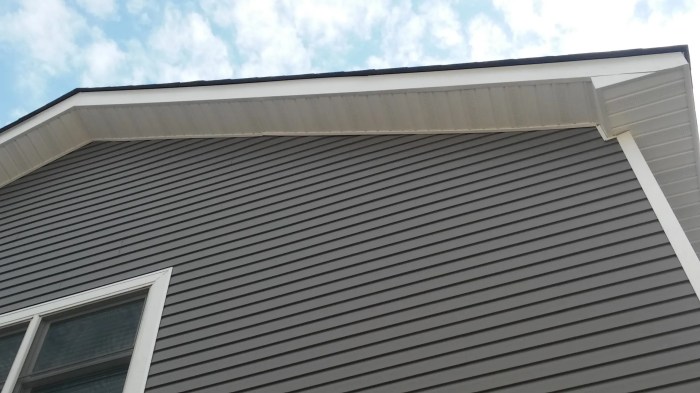
- One of the most popular choices due to its affordability and low maintenance requirements.
- Available in a wide range of colors and styles to suit various architectural designs.
- Resistant to rot, insects, and moisture, making it a durable option for different climates.
Fiber Cement Siding
- Made from a mix of cement, sand, and cellulose fibers, offering a durable and fire-resistant solution.
- Can mimic the look of wood, stucco, or stone without the high maintenance associated with those materials.
- Requires painting but holds color well and is resistant to rot and insects.
Wood Siding
- Known for its natural beauty and warmth, adding character to a home's exterior.
- Options include cedar, pine, and redwood, each with its own unique grain patterns and colors.
- Requires regular maintenance, such as staining or painting, to prevent rot and decay.
Metal Siding
- Durable and long-lasting, offering excellent protection against fire, insects, and rot.
- Available in various metals like aluminum, steel, and copper, each with its own benefits and aesthetic appeal.
- May dent or scratch easily, but modern coatings can help improve durability and resistance to damage.
Green Siding Options
- Sustainable materials like recycled wood, reclaimed metal, or fiber cement made from eco-friendly components.
- Some innovative options include solar panels integrated into the siding for energy efficiency and eco-friendly benefits.
- Choosing green siding materials can reduce environmental impact and promote sustainability in construction practices.
Roofing Systems around the World
When it comes to roofing systems, different regions around the world have unique approaches based on factors such as climate, culture, and available resources. Let's explore the diverse types of roofing systems used globally and the influences behind their design.
Factors Influencing Roofing System Choices
In regions with heavy rainfall, sloped roofs are common to ensure proper drainage and prevent water damage. In contrast, areas prone to hurricanes or typhoons often opt for durable materials like metal or concrete to withstand strong winds. Factors like temperature fluctuations, snow load, and sun exposure also play a significant role in determining the ideal roofing system for a particular location.
Evolution of Roofing Technology
Over the years, advancements in technology have revolutionized the roofing industry worldwide. Traditional materials like thatch and clay tiles have been replaced with more modern options such as asphalt shingles, metal roofing, and green roofs. Innovations in insulation, ventilation, and energy efficiency have also become key considerations in roofing system design, reflecting a global shift towards sustainability and eco-friendly practices.
Sustainable Practices in Siding and Roofing
When it comes to siding and roofing, sustainability is a crucial aspect that is gaining more attention globally. Sustainable practices focus on reducing environmental impact, conserving resources, and promoting longevity in building structures.
Examples of Sustainable Initiatives in Siding and Roofing
- Utilization of recycled materials: Many companies are incorporating recycled materials like reclaimed wood or recycled metal into their siding and roofing products, reducing the need for new resources.
- Green roofing systems: Green roofs, which are covered with vegetation, help to improve energy efficiency, reduce stormwater runoff, and provide insulation, making them a sustainable choice for roofing.
- Solar panel integration: Installing solar panels on roofs not only generates renewable energy but also reduces the reliance on non-renewable sources, contributing to a more sustainable building practice.
Benefits of Sustainable Practices in Siding and Roofing Projects
- Environmental preservation: By using sustainable materials and practices, siding and roofing projects can help in reducing waste and lowering carbon footprint, contributing to a healthier environment.
- Cost-efficiency: Sustainable siding and roofing solutions often result in long-term cost savings through energy efficiency and reduced maintenance needs, providing financial benefits in the long run.
- Enhanced property value: Incorporating sustainable features in siding and roofing can increase property value due to the growing demand for eco-friendly and energy-efficient buildings in the real estate market.
Maintenance and Repair of Siding and Roofing
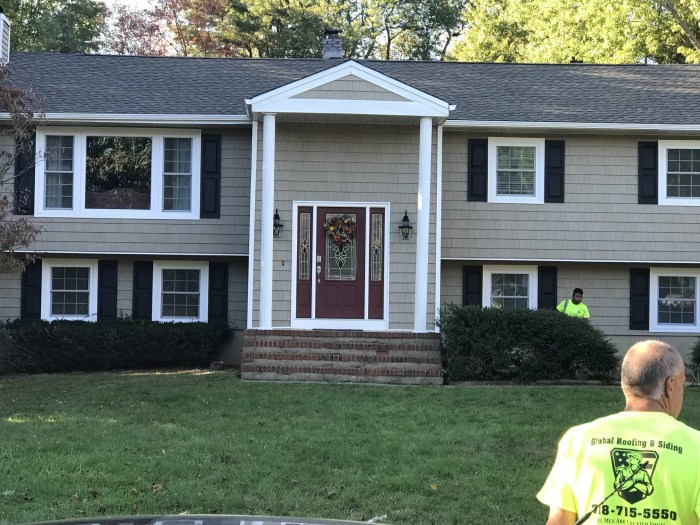
Proper maintenance is essential to ensure the longevity and functionality of siding and roofing systems. Regular inspections and timely repairs can prevent costly damages and extend the lifespan of these crucial components of a building.
Best Practices for Maintaining Siding and Roofing Systems Worldwide
- Regular inspection of siding and roofing for signs of damage or wear.
- Cleaning and clearing debris to prevent clogging and water damage.
- Sealing cracks and gaps to prevent water infiltration.
- Trimming overhanging branches to prevent damage from falling debris.
- Schedule professional inspections and maintenance at least once a year.
Common Issues Faced in Siding and Roofing Maintenance and Repair
- Leaks and water infiltration due to damaged or missing shingles/siding.
- Mold and mildew growth caused by moisture buildup.
- Pest infestations that can damage the structure of siding and roofing.
- Cracks and gaps that allow air and water to penetrate the building.
- Weather-related damage such as hail, wind, or snow accumulation.
Tips for Extending the Lifespan of Siding and Roofing Materials
- Perform regular inspections and maintenance to catch issues early.
- Use high-quality materials for siding and roofing installations.
- Keep gutters and downspouts clean to prevent water damage.
- Trim trees and vegetation near the building to prevent damage from branches.
- Address repairs promptly to prevent small issues from becoming major problems.
Outcome Summary
In conclusion, the world of global siding and roofing proves to be a dynamic and essential aspect of construction worldwide. From sustainable practices to maintenance tips, this discussion sheds light on the critical role these elements play in creating durable and efficient structures.
Expert Answers
What are some common siding materials used globally?
Common siding materials include vinyl, wood, fiber cement, and metal.
How do global trends influence the siding and roofing industry?
Global trends impact the industry by driving innovation in materials and technologies to meet changing demands.
What are the benefits of incorporating sustainable practices in siding and roofing projects?
Sustainable practices lead to reduced environmental impact, cost savings, and enhanced durability of constructions.
What are some best practices for maintaining siding and roofing systems worldwide?
Regular inspections, cleaning, and prompt repairs are key for maintaining siding and roofing systems.
What factors influence the choice of roofing systems in different climates?
Climate considerations, such as temperature, precipitation, and wind, play a crucial role in selecting appropriate roofing systems.