Siding contractors near me introduce a crucial aspect of home improvement projects. Their expertise not only enhances the visual appeal of a property but also contributes significantly to its durability and energy efficiency. In this comprehensive guide, we delve into the world of siding contractors to help you make informed decisions for your next home renovation project.
Importance of Siding Contractors
When it comes to home improvement projects, siding contractors play a crucial role in enhancing the overall look and functionality of a property. Their expertise and skills are essential in ensuring that the exterior of a home is not only visually appealing but also durable and energy-efficient.
Enhancing Aesthetic Appeal
Siding contractors have the knowledge and experience to recommend the best materials and styles that can significantly improve the curb appeal of a property. Whether it's choosing the right color palette or selecting a modern design, siding contractors can transform a dull exterior into a stunning facade that matches the homeowner's preferences and enhances the overall value of the property.
Increasing Durability and Energy Efficiency
By installing high-quality siding materials and ensuring proper insulation, siding contractors can help improve the durability and energy efficiency of a home. Well-installed siding acts as a protective barrier against harsh weather conditions, preventing damage to the structure of the house and reducing energy loss.
This not only increases the lifespan of the property but also leads to cost savings on energy bills in the long run.
Types of Siding Materials
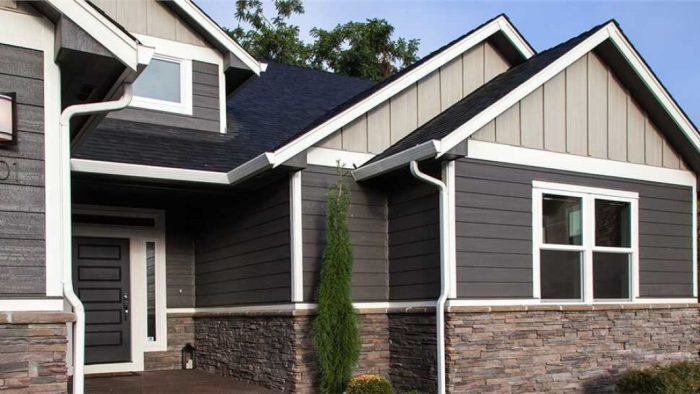
When it comes to choosing siding materials for your property, there are several options available. Each type of material has its own set of pros and cons, so it's important to understand the differences before making a decision.
Vinyl Siding
- Pros: Affordable, low maintenance, available in a variety of colors and styles.
- Cons: Can crack or fade over time, not as durable as other materials.
Wood Siding
- Pros: Natural look, environmentally friendly, can be painted or stained.
- Cons: Requires regular maintenance, susceptible to rot, pests, and moisture damage.
Fiber Cement Siding
- Pros: Durable, fire-resistant, low maintenance, resistant to rot and pests.
- Cons: Higher cost upfront, can be heavy to install.
Metal Siding
- Pros: Very durable, low maintenance, resistant to fire and pests.
- Cons: Can dent or scratch, limited color options.
Factors to Consider:
- Climate: Choose a material that can withstand the weather conditions in your area.
- Budget: Consider the upfront cost and long-term maintenance expenses of each material.
- Style: Select a siding material that complements the architectural style of your home.
- Durability: Think about how long you want the siding to last and choose a material that fits your needs.
Finding the Right Contractor
Finding the right siding contractor is crucial to ensure a successful home improvement project
Research and Verify Credentials
- Check for contractor licenses: Make sure the contractor is properly licensed to operate in your area. This ensures they meet the necessary requirements and standards.
- Verify insurance coverage: It's important to confirm that the contractor has liability insurance and workers' compensation coverage. This protects you from any potential liabilities during the project.
- Read reviews and testimonials: Look for reviews from past customers to get an idea of the contractor's reputation and quality of work. Websites like Yelp, Google, and Angie's List can provide valuable insights.
Request Quotes and Evaluate Proposals
- Get multiple quotes: Reach out to several siding contractors to compare prices and services. This allows you to find the best value for your budget.
- Evaluate proposals: Review the details of each contractor's proposal, including materials, labor costs, timelines, and warranties. Make sure everything is clearly Artikeld before making a decision.
- Ask questions: Don't hesitate to ask the contractors any questions you may have about the project. Clear communication is key to a successful partnership.
Siding Installation Process
Installing siding is a crucial step in protecting your home from the elements and enhancing its curb appeal. Proper installation is key to ensuring the longevity and performance of your siding.
Typical Steps in a Siding Installation Project
- Preparation: This involves removing the old siding, inspecting the walls for any damage, and preparing the surface for the new siding.
- Installation: The siding is carefully measured, cut, and installed according to manufacturer guidelines to ensure a proper fit and seal.
- Finishing Touches: The final step involves caulking, painting, or sealing the seams and edges to provide a seamless finish and added protection.
Importance of Proper Preparation, Installation Techniques, and Finishing Touches
- Proper preparation ensures that the siding is installed on a clean, smooth surface, preventing issues such as moisture penetration or warping.
- Following correct installation techniques is essential for the siding to perform as intended, maximizing its durability and weather resistance.
- Applying finishing touches like caulking and sealing helps to enhance the appearance of the siding and provides an extra layer of protection against the elements.
Common Challenges During Siding Installation and How to Address Them
- Uneven Walls: Address this by leveling the walls before installation or using shims to create a flat surface for the siding.
- Moisture Issues: Properly waterproofing the walls and ensuring adequate ventilation can help prevent moisture-related problems like mold or rot.
- Incorrect Installation: To avoid this, make sure to hire experienced siding contractors who follow manufacturer guidelines and best practices for installation.
Final Conclusion
As we wrap up our exploration of siding contractors near me, it's evident that these professionals play a vital role in transforming houses into homes. With their assistance, you can elevate your property's aesthetics, functionality, and value. Whether you're in need of a repair or a full siding installation, choosing the right contractor is key to achieving remarkable results.
FAQ Summary
How can I find reputable siding contractors near me?
Research online, ask for referrals, and check reviews to ensure you choose a reliable contractor.
What factors should I consider when selecting siding materials?
Consider durability, maintenance requirements, cost, and the overall aesthetic impact on your property.
What are the typical steps in a siding installation process?
The process usually involves preparation, installation, and finishing touches to ensure a seamless result.
How do I evaluate proposals from different siding contractors?
Compare pricing, timelines, quality of materials, and previous work samples to make an informed decision.