As you delve into the world of metal siding for houses, a realm of possibilities unfolds before you. From its durability to the myriad design options, this guide will take you on a journey through the fascinating realm of residential metal siding.
In the following sections, we'll explore the installation process, maintenance tips, design inspirations, cost considerations, and more, providing you with a comprehensive understanding of this versatile building material.
Introduction to Metal Siding for Houses
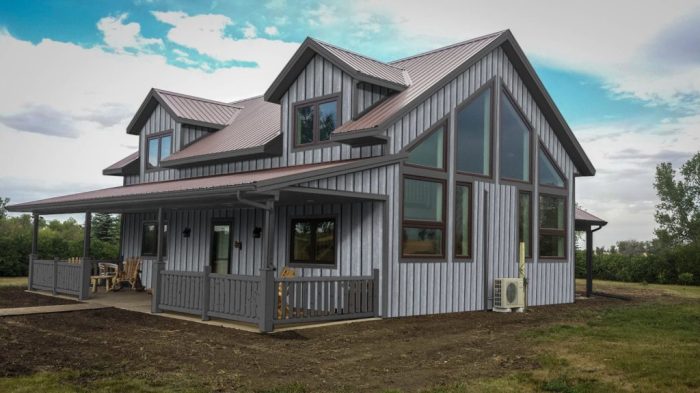
Metal siding is a popular choice for residential buildings due to its durability, low maintenance, and aesthetic appeal. It is a protective covering installed on the exterior walls of a house to shield it from the elements and enhance its overall appearance.Metal siding offers various benefits over other materials like wood or vinyl.
It is resistant to pests, rot, and mold, making it a long-lasting option for homeowners. Additionally, metal siding is fire-resistant and can withstand harsh weather conditions, providing an extra layer of protection to the house.Some popular types of metal siding used in house construction include:
Steel siding
Known for its strength and durability, steel siding is a popular choice for homeowners looking for a robust and long-lasting siding option.
Aluminum siding
Lightweight and corrosion-resistant, aluminum siding is a versatile choice that comes in a variety of colors and finishes to suit different architectural styles.
Zinc siding
Zinc siding is a sustainable option that develops a natural patina over time, adding a unique and modern look to the house.
Benefits of Metal Siding
- Metal siding is highly durable and requires minimal maintenance compared to other materials like wood.
- It is resistant to pests, rot, and mold, ensuring a longer lifespan for the house.
- Metal siding is fire-resistant and can withstand extreme weather conditions, providing added protection to the building.
Installation Process
Metal siding installation involves several steps to ensure a successful outcome. Let's take a closer look at the process, the tools, and materials required, as well as how it compares to other siding materials like vinyl or wood.
Steps for Installing Metal Siding:
- Prepare the Surface: Make sure the surface is clean, dry, and free of any debris before starting the installation process.
- Measure and Cut: Measure the dimensions of the area where the siding will be installed and cut the metal panels accordingly.
- Install Starter Strips: Begin by installing starter strips at the bottom of the wall to provide a base for the siding panels.
- Attach the Panels: Secure the metal siding panels to the wall using appropriate fasteners, ensuring they are properly aligned and level.
- Overlap and Seal: Overlap the edges of the panels to prevent water infiltration and seal the joints to enhance weather resistance.
- Finish with Trim: Complete the installation by adding trim pieces around windows, doors, and corners for a polished look.
Tools and Materials Required:
- Tools: Hammer, level, tin snips, tape measure, chalk line, drill with screwdriver bit, safety goggles, and gloves.
- Materials: Metal siding panels, starter strips, fasteners, sealant, trim pieces, and any necessary accessories for installation.
Comparison with Other Siding Materials:
Metal siding offers durability and low maintenance compared to vinyl or wood siding. While vinyl is easy to install and maintain, it may not be as durable as metal. Wood siding provides a natural look but requires more upkeep and is susceptible to rot and pests.
Metal siding stands out for its longevity and resistance to elements, making it a popular choice for many homeowners.
Maintenance and Care
Metal siding is a durable and low-maintenance option for houses, but proper care is essential to ensure its longevity. By following some simple maintenance practices, you can keep your metal siding looking great for years to come.Exposure to various weather elements and other external factors can sometimes lead to issues with metal siding.
It's important to be aware of common problems that may arise and know how to address them promptly to prevent further damage.
Cleaning and Protecting Metal Siding
- Regularly washing metal siding with a mixture of mild soap and water can help remove dirt and grime that may accumulate over time. Avoid using harsh chemicals or abrasive materials that could scratch the surface.
- Inspect the siding for any signs of rust or corrosion. If you notice any areas with damage, clean the affected area with a rust remover and repaint to prevent further deterioration.
- Apply a protective coating to the metal siding to help shield it from the elements. This can help prevent fading and corrosion, extending the lifespan of the siding.
- Trim any nearby trees or bushes that may come in contact with the siding to prevent scratches or dents. Keeping vegetation at a safe distance can minimize the risk of damage to the metal surface.
Design Options
Metal siding for houses offers a wide range of design options that can significantly enhance the overall appearance of a home. From traditional to modern styles, metal siding provides versatility and durability that can complement various architectural designs.Metal siding can enhance the curb appeal of a home by adding a sleek and contemporary look.
The clean lines and smooth finish of metal siding can give a house a modern aesthetic that stands out in the neighborhood. Additionally, the variety of colors and textures available in metal siding allows homeowners to customize the look of their home to suit their personal style.Creative ways to incorporate metal siding into the overall design of a house include mixing different materials such as wood or stone with metal siding to create a unique and visually appealing facade.
Using metal siding as an accent on specific areas of the house, such as around windows or doors, can also add a touch of modern elegance to the exterior. Furthermore, experimenting with different patterns and shapes of metal siding panels can create interesting visual effects and architectural interest.
Examples of Creative Metal Siding Designs
- Combining vertical metal siding with wood accents for a modern rustic look.
- Using metal siding in bold colors like red or blue to make a statement and add personality to the home.
- Creating a geometric pattern with metal siding panels for a contemporary and unique design.
- Installing metal siding in a horizontal orientation to elongate the appearance of the house.
Cost Considerations
Metal siding for houses offers a range of cost considerations that homeowners should keep in mind when choosing a siding material. From initial installation costs to long-term maintenance expenses, understanding the financial aspects of metal siding can help in making an informed decision.
Breakdown of Cost Factors
- Material Cost: The cost of metal siding can vary depending on the type of metal used, such as aluminum, steel, or zinc.
- Installation Cost: Professional installation of metal siding may require specialized skills and tools, affecting the overall installation cost.
- Maintenance Cost: Metal siding is known for its durability, requiring minimal maintenance compared to other siding materials like wood or vinyl.
Comparison with Other Siding Materials
- Installation Cost: While metal siding may have a higher upfront cost compared to vinyl or wood siding, its longevity and low maintenance requirements can result in cost savings over time.
- Maintenance Cost: Metal siding is resistant to rot, pests, and fire, reducing the need for frequent repairs or replacements that may be necessary with other materials.
Long-Term Cost Benefits
Metal siding offers long-term cost benefits due to its durability and low maintenance requirements. While the initial investment may be higher, the reduced need for repairs and replacements can result in significant savings over the lifespan of the siding. Additionally, metal siding can increase the energy efficiency of a home, leading to lower heating and cooling costs in the long run.
Ending Remarks
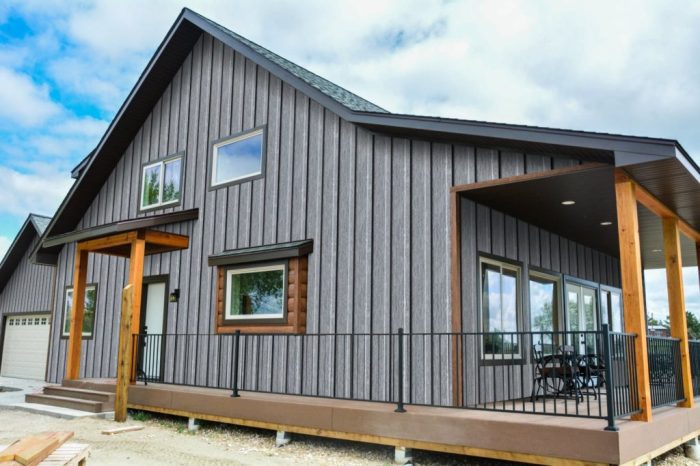
In conclusion, metal siding for houses offers not just protection but also aesthetic appeal. By incorporating this versatile material into your home, you're not only investing in durability but also elevating the overall look and feel of your living space.
Dive into the world of metal siding and transform your house into a masterpiece of modern design.
Questions and Answers
How long does metal siding typically last?
Metal siding can last up to 50 years with proper maintenance and care.
Can metal siding be painted?
Yes, metal siding can be painted to change its color or refresh its appearance.
Is metal siding more expensive than vinyl siding?
Metal siding is generally more expensive upfront but offers long-term cost benefits due to its durability.