Delve into the intricate world of real estate property management where expertise meets opportunity. This comprehensive guide aims to shed light on the key aspects of managing properties effectively, offering valuable insights for property owners and managers alike.
From defining the role of a property manager to exploring the nuances of financial management, this discussion is your gateway to mastering the art of real estate property management.
Introduction to Real Estate Property Management
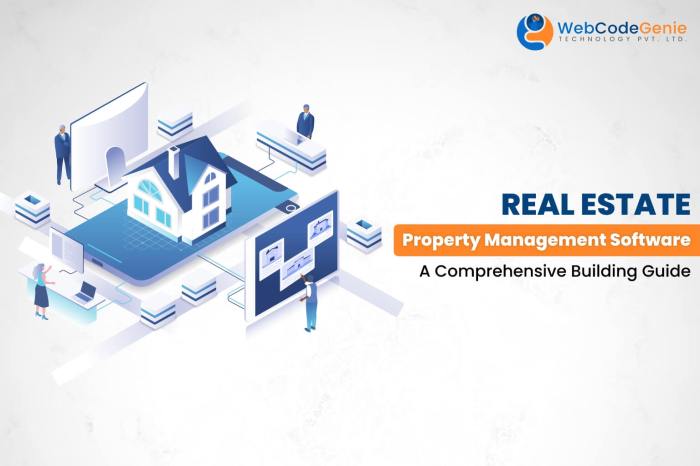
Real estate property management involves overseeing and supervising residential, commercial, or industrial properties on behalf of the property owner. It plays a crucial role in maintaining the property's value, ensuring tenant satisfaction, and maximizing returns on investment.
Key Responsibilities of a Property Manager
- Marketing the property to attract tenants
- Screening potential tenants and selecting suitable ones
- Collecting rent and handling financial matters
- Maintaining the property and addressing maintenance issues
- Enforcing lease agreements and resolving tenant disputes
Benefits of Effective Property Management for Property Owners
Effective property management can bring numerous benefits to property owners, including:
- Maximizing rental income through optimal pricing strategies
- Reducing vacancy rates by ensuring timely tenant turnover
- Preserving the property's condition through regular maintenance and inspections
- Providing peace of mind by handling tenant issues and legal matters efficiently
- Increasing property value over time by enhancing its appeal and functionality
Key Skills and Qualities for Property Managers
Effective property management requires a specific set of skills and qualities to ensure success in overseeing and maintaining real estate properties. Property managers play a crucial role in managing tenants, handling maintenance issues, and ensuring the overall profitability and smooth operation of properties.
Essential Skills Required for Successful Property Management
- Strong Communication Skills: Property managers need to effectively communicate with tenants, property owners, and maintenance staff to address concerns and ensure smooth operations.
- Organizational Skills: Managing multiple properties requires excellent organizational skills to keep track of leases, maintenance schedules, and financial records.
- Problem-Solving Abilities: Property managers must be able to quickly and effectively resolve issues that arise, such as maintenance emergencies or tenant disputes.
- Attention to Detail: Being detail-oriented is essential in property management to ensure that all aspects of property maintenance and tenant interactions are properly managed.
- Financial Management Skills: Property managers need to have a good understanding of budgets, expenses, and rental income to ensure properties are profitable.
How Communication Skills Play a Crucial Role in Property Management
Effective communication is key in property management as it helps property managers build strong relationships with tenants, property owners, and vendors. Clear and timely communication can help prevent misunderstandings, resolve conflicts, and ensure that all parties are kept informed of important updates and issues.
The Importance of Problem-Solving Abilities in Handling Property Issues
Property managers often encounter various challenges in managing properties, from maintenance issues to tenant complaints. Having strong problem-solving abilities allows property managers to address these issues efficiently and effectively, ensuring that properties are well-maintained and tenants are satisfied with their living conditions.
Being able to think critically and find creative solutions is essential in handling the diverse range of issues that may arise in property management.
Property Marketing and Tenant Relations
Effective property marketing plays a crucial role in attracting tenants to vacant properties. Maintaining positive tenant relationships is equally important for ensuring tenant satisfaction and retention. Property managers need to handle tenant inquiries and concerns promptly and efficiently to foster a harmonious landlord-tenant relationship.
Strategies for Marketing Properties
- Utilize online platforms: List properties on popular real estate websites and social media platforms to reach a wide audience.
- Professional photography: High-quality images can showcase the property's best features and attract potential tenants.
- Virtual tours: Offer virtual tours to give prospective tenants a comprehensive view of the property without physically visiting.
- Open houses: Organize open house events to allow interested individuals to explore the property in person.
Importance of Maintaining Positive Tenant Relationships
- Enhanced tenant satisfaction: Positive relationships can lead to happy tenants who are more likely to renew their leases.
- Timely issue resolution: Good tenant relationships facilitate effective communication and prompt resolution of any concerns or maintenance issues.
- Reduced turnover: Satisfied tenants are less likely to move out, reducing vacancy periods and turnover costs for property owners.
Handling Tenant Inquiries and Concerns
- Responsive communication: Property managers should be easily accessible to address tenant inquiries and concerns promptly.
- Effective problem-solving: Listen actively to tenant issues, offer solutions, and follow up to ensure problems are resolved satisfactorily.
- Maintain transparency: Keep tenants informed about any property-related updates, maintenance schedules, or changes to ensure transparency.
Maintenance and Inspections
Property managers play a crucial role in ensuring that maintenance tasks are carried out efficiently and that regular property inspections are conducted to maintain the property's condition and value.
Maintenance Tasks
- Regularly checking and maintaining HVAC systems, plumbing, and electrical systems.
- Managing landscaping and ensuring that outdoor areas are well-maintained.
- Addressing any repairs or issues reported by tenants in a timely manner.
- Coordinating with contractors for major repairs or renovations.
Significance of Regular Inspections
Regular property inspections are essential to identify any maintenance issues early on, prevent larger problems down the line, and ensure that the property is up to code. Inspections also help in maintaining tenant satisfaction and retention.
Prioritizing Maintenance Issues
- Urgent issues that pose a safety hazard or affect habitability should be addressed immediately.
- High-priority maintenance tasks that can affect multiple units or common areas should be prioritized to prevent further damage.
- Scheduling routine maintenance tasks to prevent major issues and extend the lifespan of property components.
Financial Management and Reporting
Property managers have crucial financial responsibilities when it comes to managing real estate properties. They are in charge of handling finances related to the property, including budgeting for expenses, collecting rent, and ensuring financial stability for property owners.
Financial Responsibilities of Property Managers
Property managers are responsible for budgeting for property expenses, which involves estimating the costs associated with maintaining and managing the property. This includes expenses such as repairs, maintenance, utilities, insurance, property taxes, and any other operational costs. By creating a detailed budget, property managers can ensure that the property remains profitable and well-maintained.
- Monitor income and expenses: Property managers must keep track of all income generated from the property, such as rent payments, and ensure that expenses are paid on time.
- Prepare financial reports: Property managers are responsible for preparing accurate financial reports for property owners. These reports provide detailed information on income, expenses, and overall financial performance of the property.
- Manage cash flow: Property managers need to effectively manage cash flow to ensure that there is enough money to cover expenses and maintain the property.
Importance of Accurate Financial Reporting for Property Owners
Accurate financial reporting is crucial for property owners as it provides them with valuable insights into the financial health of their investment. By receiving timely and accurate financial reports, property owners can make informed decisions about their property and ensure that it remains profitable.
“Accurate financial reporting allows property owners to track income, expenses, and overall financial performance, enabling them to make strategic decisions to maximize profitability.”
Legal Compliance and Risk Management
Property managers must adhere to various legal requirements to ensure the smooth operation of real estate properties and protect the interests of both landlords and tenants.
Legal Requirements for Property Managers
- Compliance with Fair Housing Laws: Property managers must ensure that they do not discriminate against tenants based on race, color, religion, sex, national origin, familial status, or disability.
- Licensing and Certification: Property managers need to hold the necessary licenses and certifications required by state and local regulations to operate legally.
- Lease Agreement Compliance: Property managers must ensure that lease agreements are legally binding and adhere to all relevant landlord-tenant laws.
Risk Mitigation Strategies
- Thorough Tenant Screening: Conducting background checks, credit checks, and verifying references can help property managers select reliable tenants and reduce the risk of lease violations.
- Maintaining Property Insurance: Having adequate insurance coverage for properties can protect against unforeseen events such as natural disasters, accidents, or damages caused by tenants.
- Regular Property Inspections: Conducting routine inspections can help identify maintenance issues early on and prevent costly repairs or legal disputes.
Consequences of Non-Compliance
- Fines and Penalties: Property managers who fail to comply with legal requirements may face fines, penalties, or legal action, leading to financial losses and damage to their reputation.
- Lawsuits and Legal Disputes: Non-compliance with property management laws can result in lawsuits from tenants, landlords, or regulatory agencies, leading to costly legal battles and potential liabilities.
- Loss of License: Persistent non-compliance may result in the revocation of property management licenses, effectively ending the property manager's ability to operate legally.
Final Thoughts
In conclusion, real estate property management is a multifaceted discipline that requires a blend of skills, knowledge, and finesse. By adhering to best practices and staying abreast of industry trends, property managers can navigate challenges and unlock the full potential of their properties.
Question & Answer Hub
What are some common challenges property managers face?
Property managers often encounter issues such as tenant disputes, maintenance emergencies, and financial constraints.
How can property managers attract quality tenants?
By showcasing well-maintained properties, utilizing effective marketing strategies, and conducting thorough tenant screenings.
What is the typical role of a property manager in handling maintenance tasks?
Property managers oversee routine maintenance, address repair requests promptly, and ensure properties are in optimal condition.