As smart thermostat best buy takes center stage, this guide beckons readers into the world of smart thermostats. From understanding the key features to installation tips, this overview covers everything you need to know before making a purchase.
Smart thermostats have revolutionized the way we control our home's temperature, offering energy efficiency and convenience like never before. Let's dive into the details of this innovative technology.
Research on Smart Thermostats
Smart thermostats are innovative devices that offer advanced features compared to traditional thermostats. They are designed to regulate the temperature of your home more efficiently and intelligently, ultimately providing greater comfort and cost savings.
Key Features of Smart Thermostats
- Remote Access: Smart thermostats can be controlled remotely via a smartphone app, allowing you to adjust the temperature from anywhere.
- Learning Capabilities: Some smart thermostats can learn your schedule and temperature preferences to automatically optimize settings.
- Energy Usage Reports: They provide detailed insights into your energy consumption, helping you make informed decisions to save energy.
- Compatibility with Smart Home Systems: Many smart thermostats can integrate with other smart devices in your home for a seamless experience.
Benefits of Using Smart Thermostats
Smart thermostats offer several advantages, including:
- Energy Efficiency: By learning your habits and adjusting settings accordingly, smart thermostats can help reduce energy waste and lower your utility bills.
- Convenience: The ability to control your thermostat remotely and set schedules easily adds convenience to your daily routine.
- Comfort: Smart thermostats ensure that your home is always at the optimal temperature, providing a comfortable living environment.
- Cost Savings: With the energy-saving features and optimized settings, smart thermostats can lead to significant cost savings over time.
Popular Smart Thermostat Brands
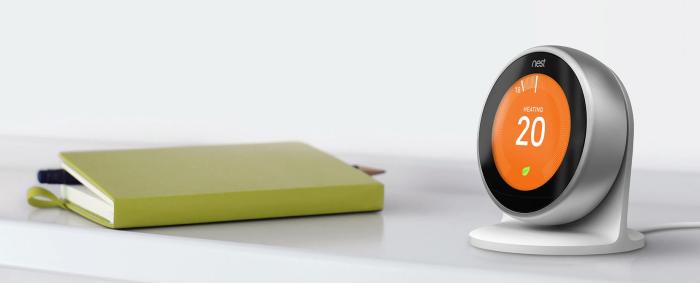
When it comes to smart thermostats, there are several top brands that stand out in the market for their innovative features, compatibility with different systems, and overall customer satisfaction.
Nest
Nest, owned by Google, is one of the most popular smart thermostat brands known for its sleek design and user-friendly interface. Nest thermostats are known for their learning capabilities, where they automatically adjust the temperature based on your habits and preferences.
They are also compatible with a wide range of smart home devices and have energy-saving features. However, Nest thermostats tend to be on the higher end in terms of pricing.
Ecobee
Ecobee is another well-known brand in the smart thermostat market, offering thermostats with remote sensors to help regulate temperatures in multiple rooms. Ecobee thermostats are compatible with various smart home platforms like Apple HomeKit, Amazon Alexa, and Google Assistant. They also have features like geofencing and energy usage reports.
While Ecobee thermostats are competitively priced, some users find the setup process to be a bit more complicated compared to other brands.
Honeywell
Honeywell is a trusted name in the HVAC industry and offers a range of smart thermostats with different features and price points. Honeywell thermostats are known for their reliability and compatibility with a wide range of heating and cooling systems.
They offer features like customizable scheduling, energy usage reports, and smart alerts. Honeywell smart thermostats are generally more affordable compared to some other brands.
Emerson
Emerson is another popular brand that offers smart thermostats with features like flexible scheduling, geofencing, and energy-saving modes. Emerson thermostats are known for their compatibility with most HVAC systems and their easy installation process. While they may not have as many advanced features as some other brands, Emerson thermostats are praised for their reliability and user-friendly interface.Overall, the choice of the best smart thermostat brand will depend on your specific needs, budget, and compatibility with your existing smart home setup.
Factors to Consider Before Buying
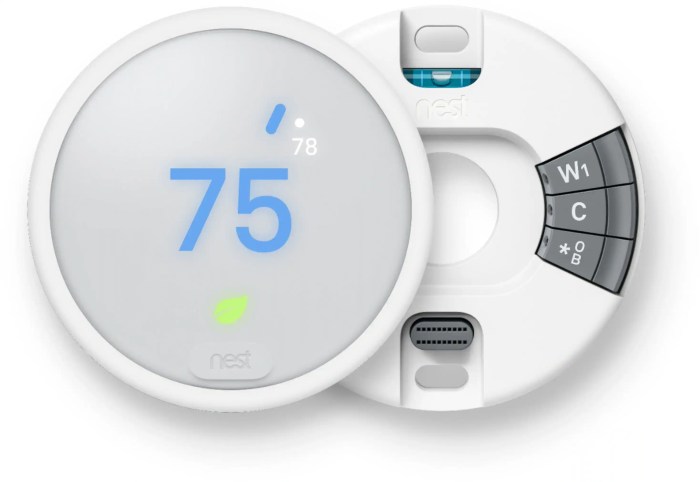
When considering purchasing a smart thermostat, there are several important factors to keep in mind to ensure you choose the right one for your home and lifestyle. From compatibility with your HVAC system to user-friendly interfaces, here is a guide to help you make an informed decision.
Compatibility with HVAC Systems
When selecting a smart thermostat, it is crucial to check its compatibility with your existing heating, ventilation, and air conditioning (HVAC) system. Some smart thermostats may not work with certain HVAC setups, so be sure to verify if the model you are interested in is compatible with your specific system.
Compatibility with Smart Home Platforms
In addition to HVAC compatibility, consider whether the smart thermostat integrates with your smart home platform. Many smart thermostats are designed to work with popular platforms like Amazon Alexa, Google Assistant, and Apple HomeKit. This integration allows you to control your thermostat using voice commands or through your smart home app.
User-Friendly Interfaces and Mobile App Integration
An intuitive user interface and seamless mobile app integration are key features to look for in a smart thermostat. A user-friendly interface makes it easy to set schedules, adjust temperature settings, and monitor energy usage
Installation and Setup Process
Installing and setting up a smart thermostat is a crucial step to ensure optimal performance and energy efficiency in your home. Below, we will guide you through the general installation process, setup, and provide troubleshooting tips for common issues.
General Installation Process
- Turn off the power: Before starting the installation, make sure to turn off the power to your HVAC system at the breaker.
- Remove the old thermostat: Take out the old thermostat from the wall and disconnect the wires.
- Mount the new thermostat: Follow the manufacturer's instructions to mount the new smart thermostat on the wall.
- Connect the wires: Connect the wires from your HVAC system to the corresponding terminals on the smart thermostat.
- Power up the thermostat: Turn the power back on and follow the on-screen instructions to complete the initial setup.
Setting up and Configuring the Smart Thermostat
- Download the app: Most smart thermostats come with a companion app that allows you to control the thermostat remotely. Download the app and follow the instructions to connect it to your thermostat.
- Connect to Wi-Fi: Connect your smart thermostat to your home Wi-Fi network to enable remote access and control.
- Set your schedule: Program your thermostat with your preferred heating and cooling schedule to maximize energy savings.
- Enable smart features: Take advantage of the smart features such as geofencing and learning capabilities to further optimize your home's energy usage.
Troubleshooting Tips
- Check the wiring: Ensure that the wires are correctly connected to the thermostat terminals.
- Verify the power source: Make sure the thermostat is receiving power from the HVAC system and the batteries are installed correctly.
- Reset the thermostat: Try resetting the thermostat to factory settings and reconfigure it from scratch.
- Contact customer support: If you encounter persistent issues, reach out to the manufacturer's customer support for further assistance.
Smart Thermostat Integration
Smart thermostats offer a high level of convenience and energy efficiency by integrating with other smart home devices and systems. This integration allows users to control their home environment more effectively and create personalized automation routines.
Seamless Integration with Smart Assistants
Smart thermostats that can seamlessly work with popular smart assistants like Alexa or Google Assistant provide users with an added layer of convenience. By simply using voice commands, users can adjust the temperature, set schedules, or even check energy usage without having to physically interact with the thermostat.
- Users can ask Alexa or Google Assistant to increase or decrease the temperature in specific rooms or zones, making it easy to create a comfortable living environment.
- Smart assistants can also provide valuable insights on energy usage and suggest ways to optimize heating and cooling settings for improved efficiency.
- Integration with smart assistants enables users to control their smart thermostat remotely, whether they are at home or away, adding a new level of flexibility to their daily routine.
Automation Routines with Integrated Devices
By integrating their smart thermostat with other smart home devices such as smart lights, sensors, or even smart locks, users can create customized automation routines that enhance their overall home experience.
For example, users can set up a routine that automatically adjusts the temperature when a motion sensor detects someone entering a room, ensuring comfort and energy savings without manual intervention.
- Integrating a smart thermostat with smart blinds or shades can help regulate natural light and temperature, optimizing energy usage throughout the day.
- Users can also create routines that coordinate the operation of multiple devices, such as turning off the HVAC system when a smart lock indicates that the house is empty, maximizing energy efficiency.
- Automation routines can be tailored to individual preferences and schedules, providing a seamless and personalized smart home experience.
Closing Summary
In conclusion, smart thermostats are a game-changer in home climate control. With the potential for cost savings and seamless integration with smart home devices, investing in a smart thermostat could be the best decision for your home. Stay informed and make the smart choice for your comfort and efficiency needs.
FAQ Explained
How do smart thermostats differ from traditional thermostats?
Smart thermostats offer advanced features like remote control, learning capabilities, and energy usage tracking, unlike traditional thermostats.
Which smart thermostat brands are most popular?
Nest, Ecobee, and Honeywell are among the popular smart thermostat brands known for their quality and innovative features.
What factors should consumers consider before buying a smart thermostat?
Consumers should consider compatibility with their HVAC system, smart home platform integration, and ease of use when purchasing a smart thermostat.
How can smart thermostats integrate with other smart home devices?
Smart thermostats can integrate with devices like smart lights, locks, and voice assistants to create a seamless smart home ecosystem.